
By Serafina Lalany
One year ago, we opened the doors to Onward HQ with a simple goal: to create a place where real founders could find each other and build. There wasn’t a master plan, but rather, just the belief that if we made the space useful and welcoming enough, the rest would follow.
Since then, we’ve seen it happen in small but meaningful ways: startups landing pilots, students joining teams, founders growing fast enough to outgrow our walls.
Here’s what we’ve learned:
1. Built With, Not For
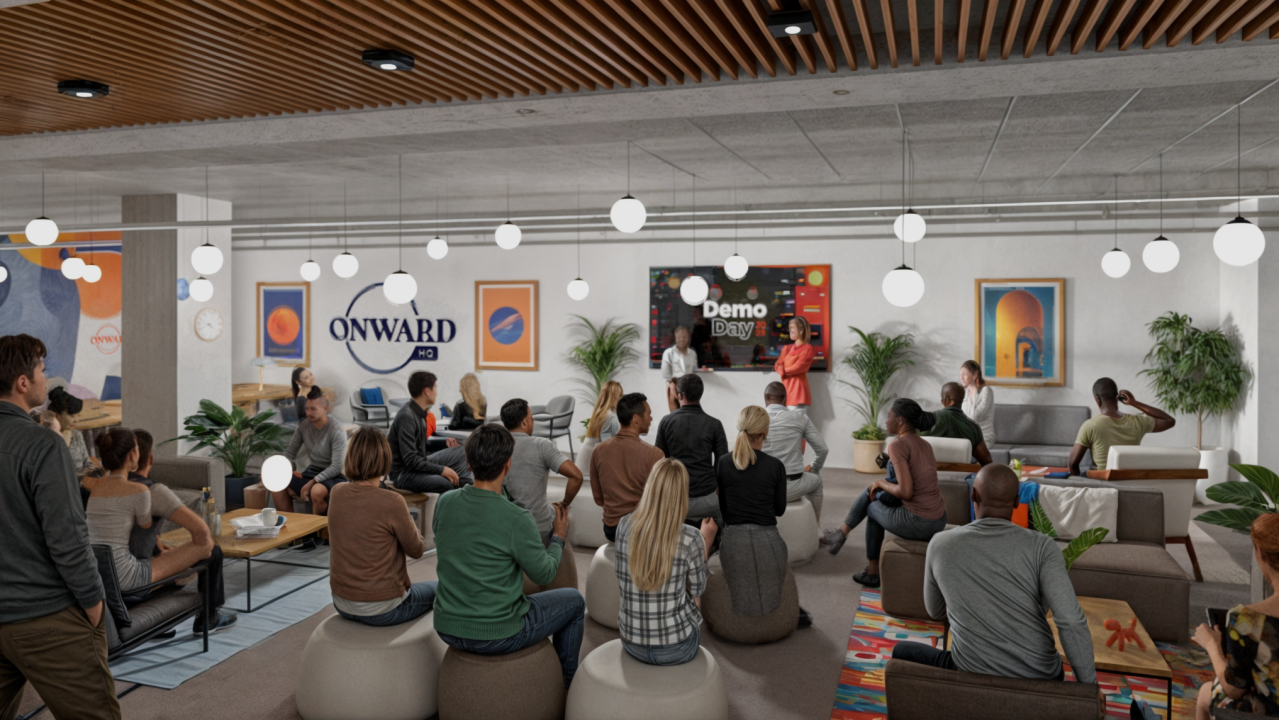
We started with a sketch on the back of a napkin…literally. A few of us sat around, imagining the kind of home base we wished we’d had as founders. There’s nothing fancy about Onward HQ. Unless you count the fact that we’re perched above Onyx in downtown Bentonville (and yes, I am still lobbying for a direct espresso drip from downstairs).
- But founders don’t need fancy. They need fast Wi-Fi, low-ego peers, and a place that makes it easier to find capital, talent, and momentum.
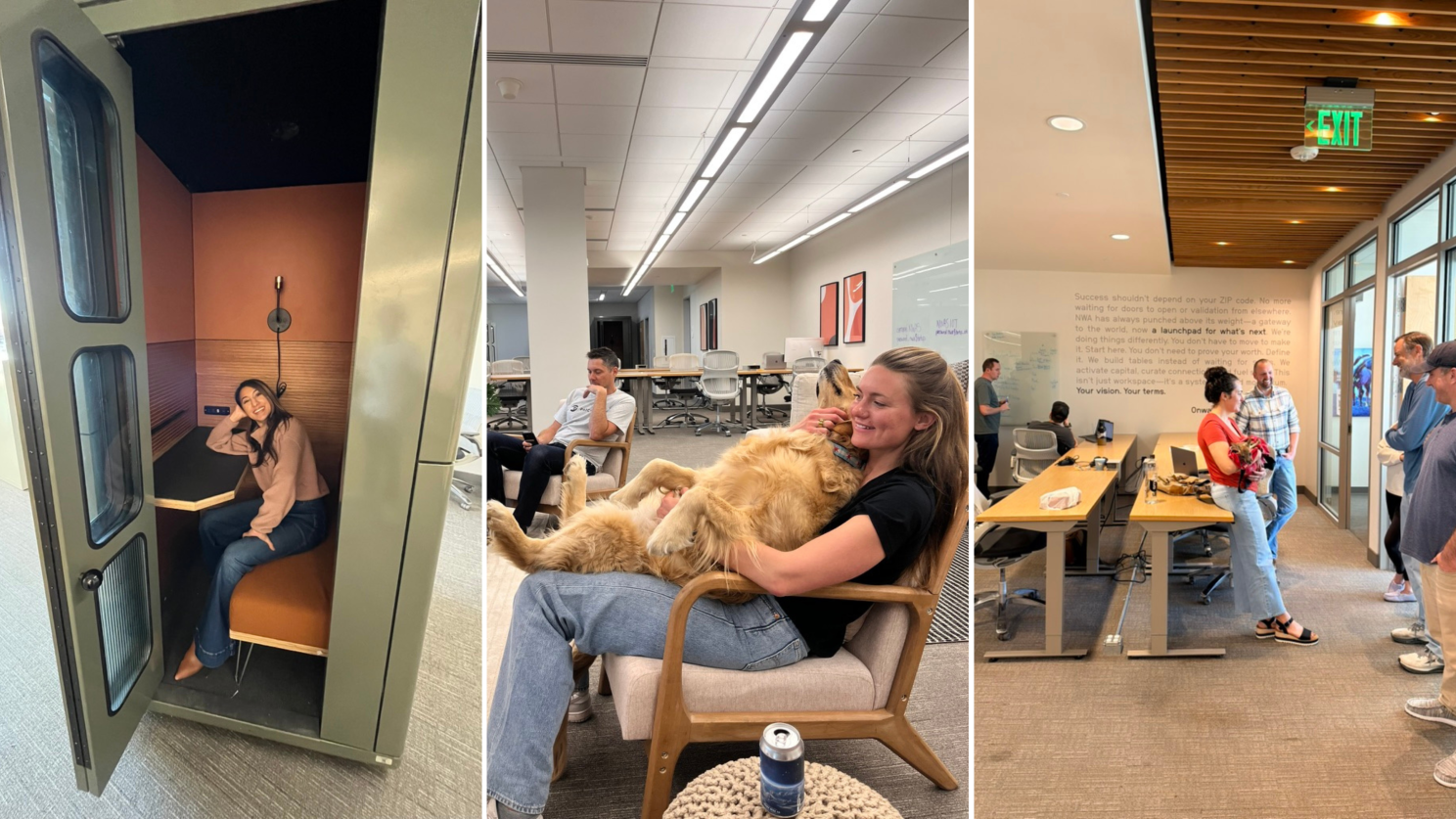
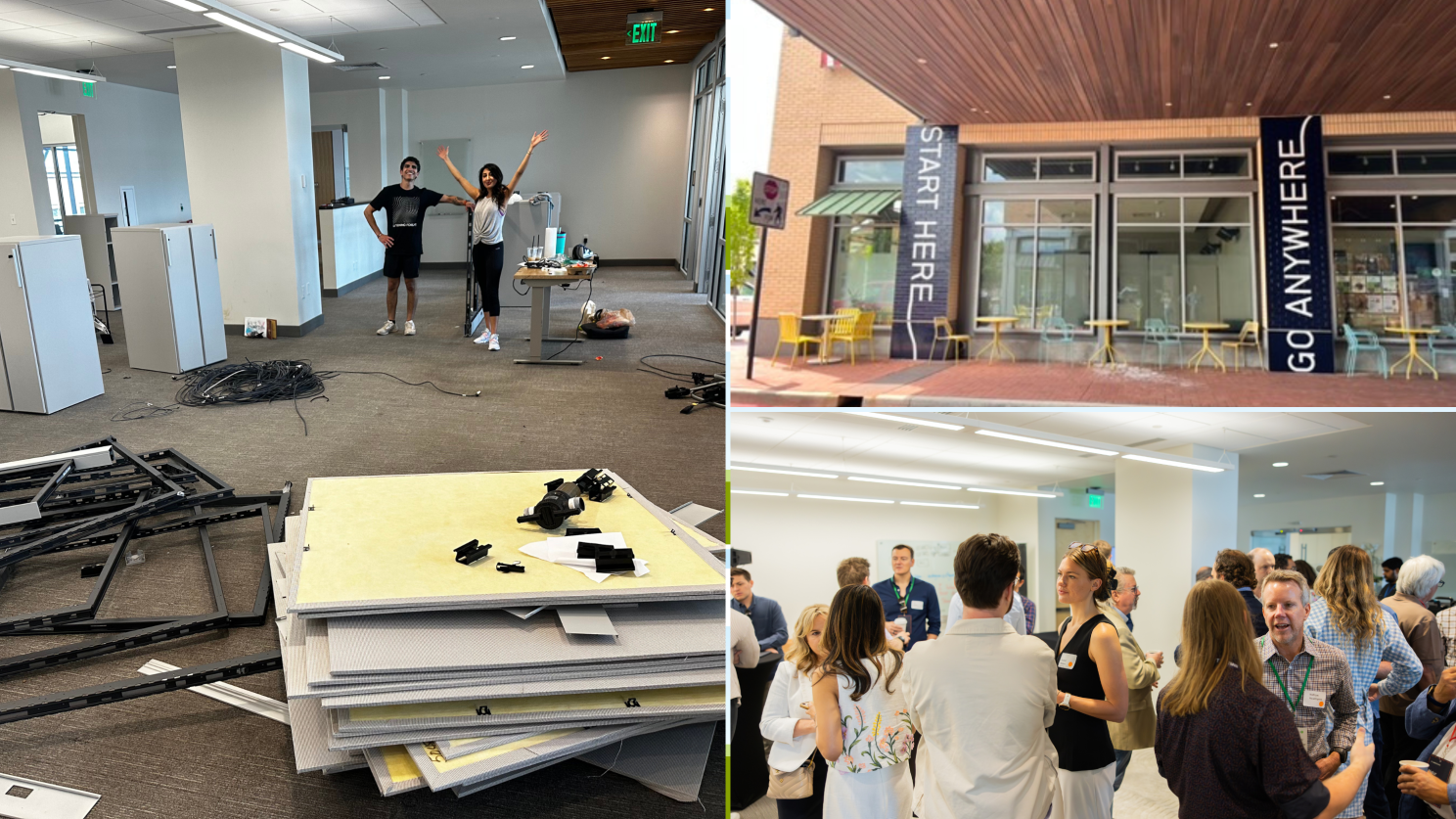
- What I’m most proud of is how much of this place came from the community. The Wayfair chairs were assembled by members. The desks were carried in by founders. The art on the walls came from someone’s personal collection. We started this on a shoestring budget, powered by sweat equity and the faith of early believers.
- Most of what works here came from member feedback. When a group of freelance developers asked for a way in, we created a new Beta membership tier at $150/month. It wasn’t part of a master plan, it was a good idea that solved a real need.
- That’s how most of Onward HQ has grown. Not through top-down programs, but through bottom-up participation. Founders here don’t feel like customers, they feel like co-creators.
Startup communities don’t run on control. They run on trust, feedback, and constant tinkering. The goal is simple: keep creating the conditions where good ideas can take root. It’s not perfect. But it’s built with care. And it’s ours.
2. Engineering Serendipity
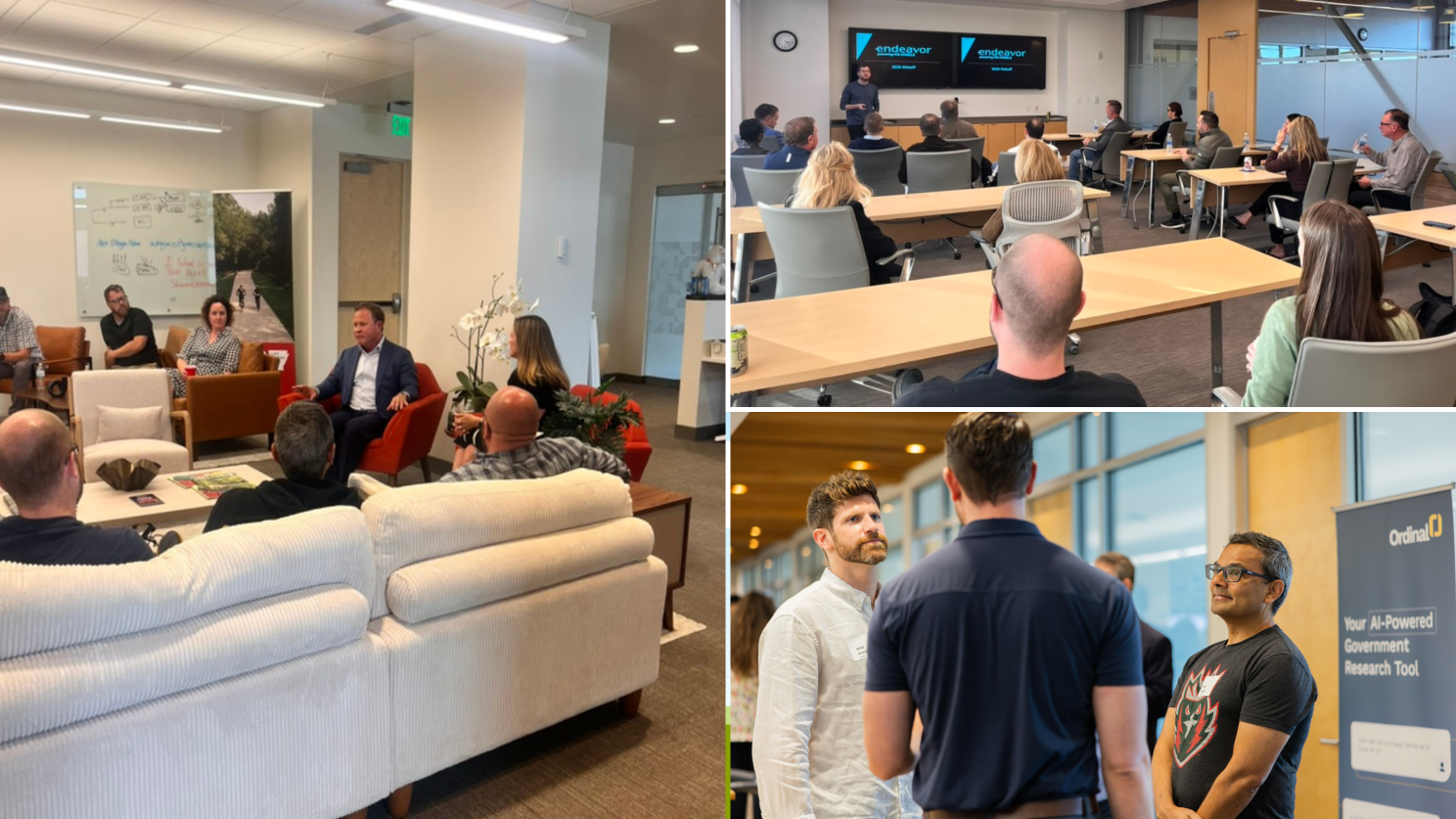
- We host 2–3 large-scale events a year, the kind that draw hundreds of founders, investors, and operators. There’s a time and place for those.
- But the heartbeat of Onward HQ is quieter. We host over 200 events a year with fewer than 20 people in the room.
- Most of them look like casual meetups, but they’re carefully designed. We think hard about who’s in the room and why. Founders get paired with peers one or two steps ahead, investors who write checks at their stage, or subject-matter experts who can unblock something right now from all over the country. Our zip code has never limited us.
- It’s not just matchmaking. It’s our programmatic advantage. You create the conditions for people to bump into the person they didn’t know they needed to meet and then you get out of the way.
That’s what most of my days look like. Mikayla Dietz-Ross’ too. Just making sure the right people cross paths at the right time. Serendipity doesn’t happen by accident. You have to build it into the walls.
3. Protecting founders’ time at all costs
One of the biggest lessons this year: staying founder-first is harder than it sounds, but more important than we realized.
- When we opened Onward HQ, we said we’d put builders at the center. But it’s easy to drift. There’s always a flashy partnership or a program that looks good on paper. We had to keep asking: does this actually help the people building?
- Our answer was to tune out the noise. That meant saying no– to sponsors who wanted airtime but didn’t offer value, to events that took more than they gave. A founder’s most valuable asset is their time, and we will protect it at all costs. That’s our job.
- And saying yes to the core work: helping a founder land their first hire, close a pilot, or ship their product faster.
- Onward HQ isn’t an island. It only succeeds if the whole ecosystem rises. We cheer each other on. A win for one startup here is a win for all of us. In fact, we have a bit of an unusual goal baked into our ethos: we want our startups to outgrow this space. Watching a team raise a big round and “graduate” into their own office isn’t a loss; it’s a validation of why Onward HQ exists.
4. Investing in the next gen
We always knew students had to be part of the mix. Northwest Arkansas has a strong university pipeline, and it would’ve been a missed opportunity not to open our doors to it.
- This past year, we tried a few things: startup pitch nights for students, class visits from U of A’s entrepreneurship programs, and an internship pilot we called Onward@HQ. That last one worked especially well.
- The interns jumped into real work by joining investor meetings, making thousands of sales calls, scrubbing CRM data, helping teams prep for demos. They brought fresh questions, and in some cases, real outcomes. Several of them are now landing part-time jobs with a member startups. That’s the loop we’re trying to build: students who get exposure early, find their footing inside a startup, and eventually start something of their own. It’s good for them, and good for the region.
- They keep us curious. They keep us scrappy. And they remind us what this place can be in a few years if we get it right.
5. The Long Game
One of the biggest lessons from year one: building a startup hub takes time. And that’s a good thing.
- This isn’t something that happens quickly. It unfolds through steady progress and long-term relationships. That’s the mindset we’ve tried to keep. Are we laying the kind of foundation that holds up over time?
- We’re starting to see signs. Investors who used to overlook Arkansas are now visiting regularly. Founders who once thought they had to leave are staying because they see a support system
- We’ll keep going that way: one startup, one seed round, one real win at a time. That’s how you build something that lasts.
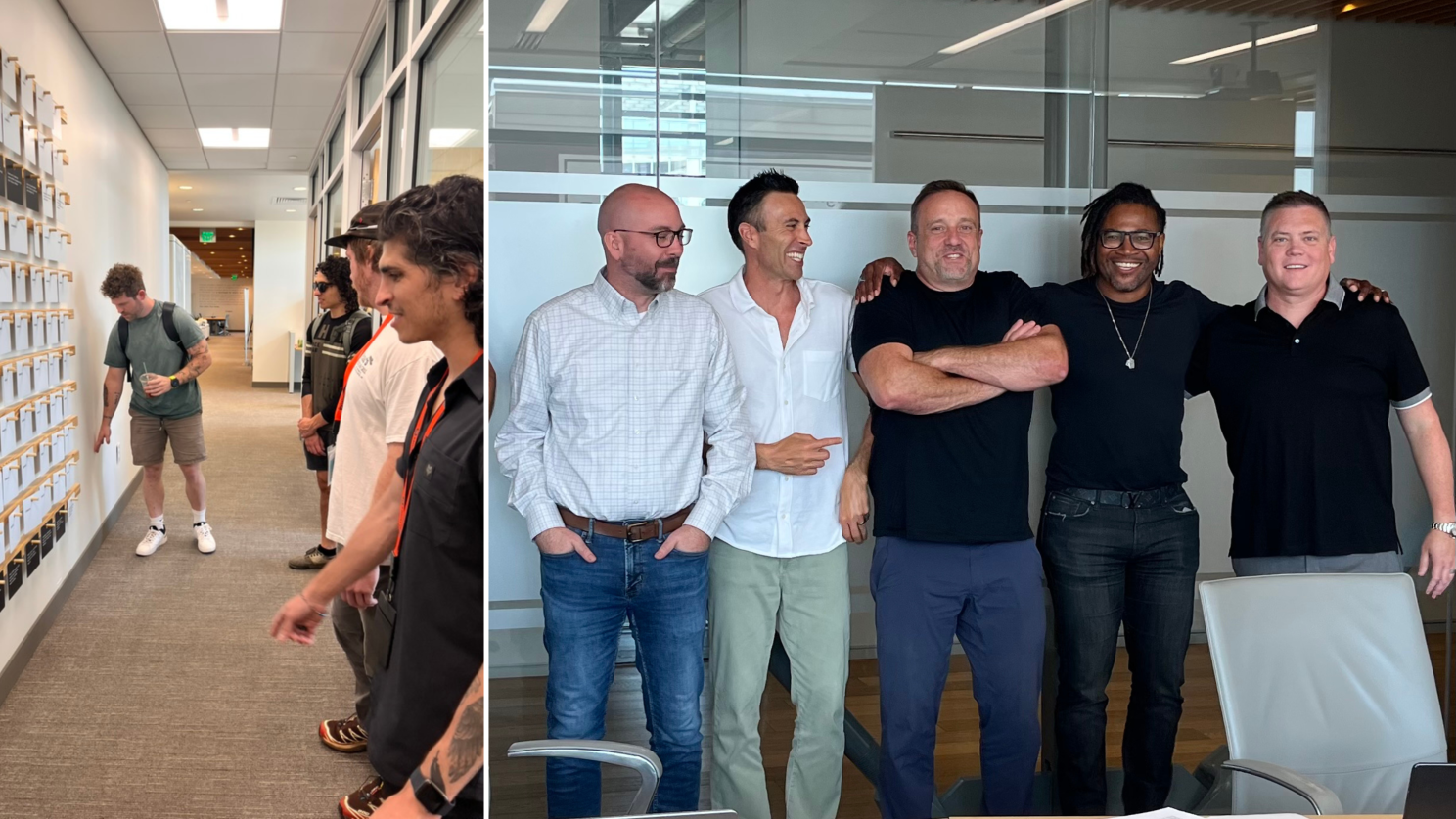
We also owe a huge debt to the early believers. The ones who joined before the walls were painted, who assembled furniture and hosted the first workshops, who introduced us to their networks and brought others along. Onward HQ was built with their fingerprints all over it, literally.
The ambassadors who gave their time, the first members who took a bet on the space, the individuals who show up again and again to support this community: you’ve made it what it is. If the engine runs on belief, you were the ones who kept it humming before we had traction to point to. Thank you: Ramsay Ball, Marshall Saviers, Jim Smith, Rebecca Hurst, David Matthews, Stewart Matthews, Nathaniel Harding, Susan Moring, Blair Garrou, Heath Butler, Alex Gras, Brian Wardle, ACC Capital, HIGHWAY Ventures, FortySix Capital, Ordinal, Bastazo, Coaxial Collective, Muckender Towels, Sober Sidekick by Empathy Health Tech, Huml Health, Ask Steve, Accountable HQ, Causify, Deputy, Billy Ruck, Erin McMunn, Hightag, DayZero, Hivers & Strivers Capital, Incarts, Nick Smith, MBA, SquarePeg, TariffNinja, Kwema, ShelfSight, Akanksha Shrivastava, Chris Brown, RevHawk, Hassan Huntley, Jordan Franklin, and Adam Perschke.
I couldn’t be more grateful to everyone who’s been part of it so far. And if year one was any indication, our region’s startup story is just getting started.